

Refrigeration Control System Reverse Engineering
In DDI's recent projects, its had the opportunity to consult with a small electronics manufacturer specializing in refrigeration control systems. They sought DDI's expertise to enhance existing software, aiming to elevate the efficiency and functionality of their product. This project presented a myriad of challenges and learning opportunities.
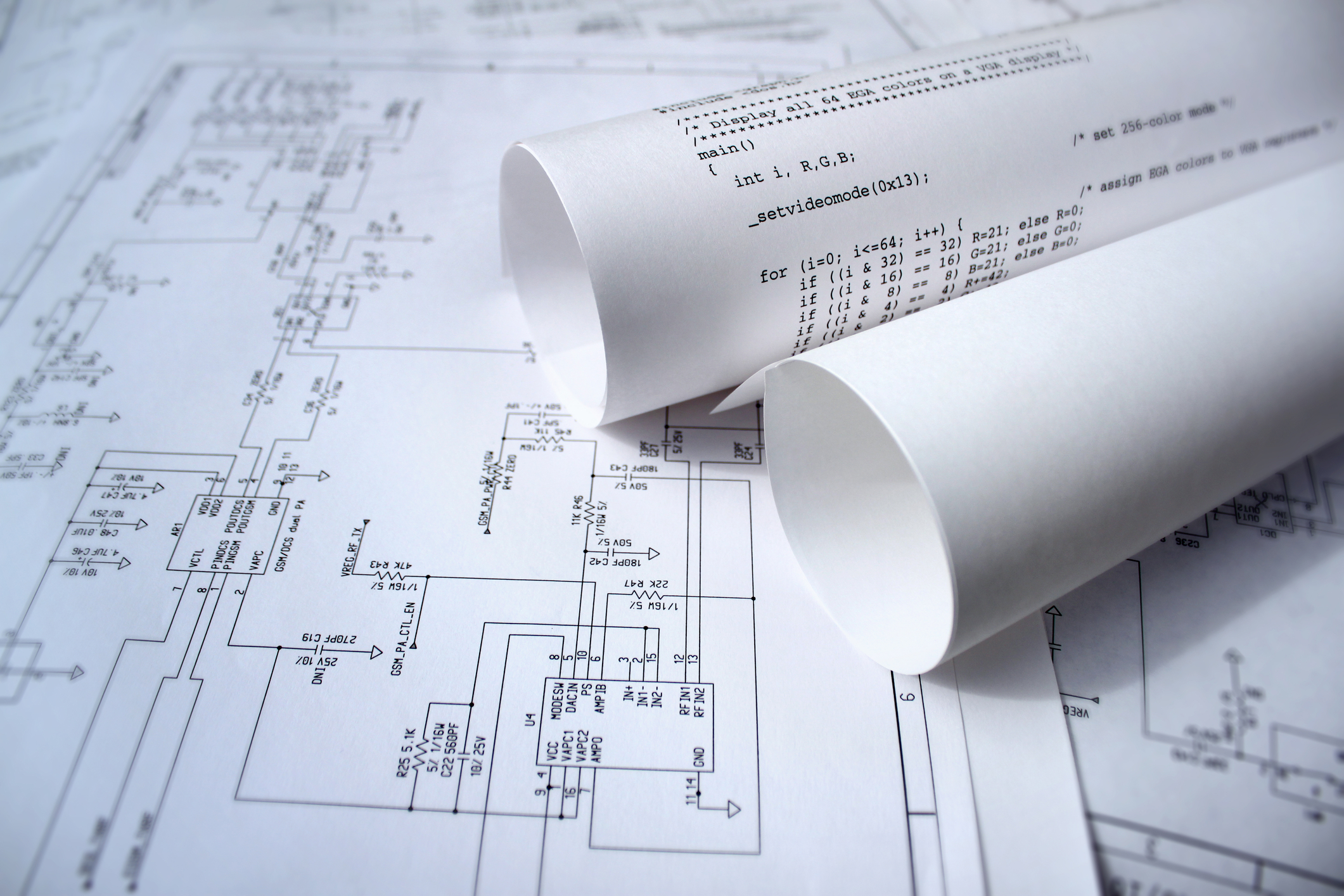
One of the initial tasks involved successfully reverse engineering, the base-code software and its accompanying development environment. This complex software controlled a multi-board system that utilized Freescale and NXP micro-controllers. By meticulously analyzing the existing codebase, DDI was able to unravel the intricacies of the system and understand the underlying logic that governed its operations. This reverse engineering process was crucial as it laid the foundation for the subsequent enhancements I was to implement.
With a comprehensive understanding of the system in hand, DDI embarked on the next phase: designing, developing, and integrating enhancements to the existing refrigeration control system. It focused on improving both the software's performance and its user interface, ensuring that the end product was not only more efficient but also more intuitive for the end-users. DDI's efforts paid off as the enhanced system demonstrated significant improvements in operational efficiency, ultimately contributing to the manufacturer's goal of delivering a superior product to their customers.
This project was a testament to the power of careful analysis, strategic planning, and dedicated execution. It was incredibly rewarding to see the positive impact of DDI's contributions on the manufacturer's product line, and I look forward to applying these skills and experiences to future challenges.

Reverse-engineered a complex software base controlling Freescale and NXP microcontrollers.

Designed, developed, and integrated improvements that elevated both system efficiency and user interface intuitiveness.
Contributions resulted in measurable gains in operational efficiency and helped the manufacturer deliver a more competitive product.